A founding team of impact-driven, scientific entrepreneurs and domain experts
We combine deep expertise in systems change, product, psychology, and ethical AI, to build something the world of transformation genuinely needs.
Everything in that poem is second-hand. The king is long dead and the empire is sand. The only reason we know any of it is that someone went, looked carefully, and came back to say what they saw.
That is the job we take. Not the king. The traveller.
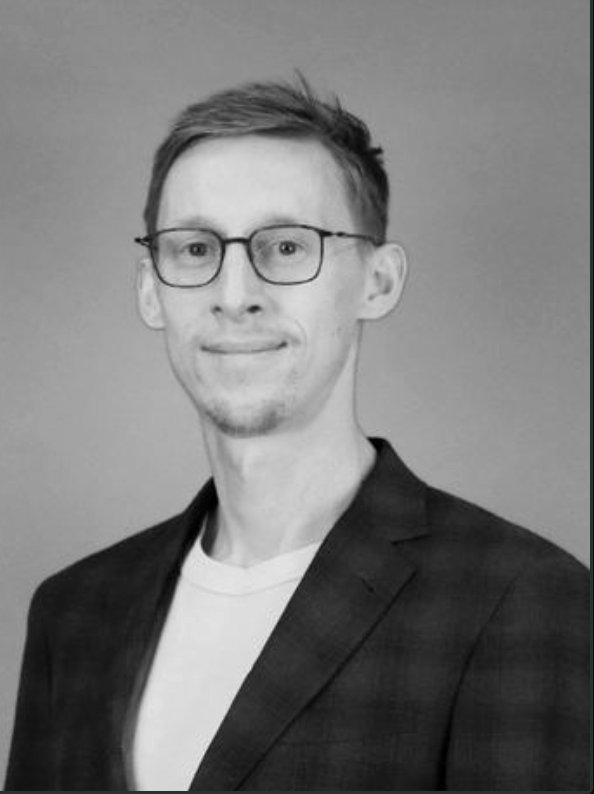
Dr. Alex Baker-Friesen
Founder since 2018. 17+ years in systems change, action research & climate ventures across Europe. PhD organisational transformation behind Ozyntel's core technology. Led change strategies across universities, ecosystems & movements.
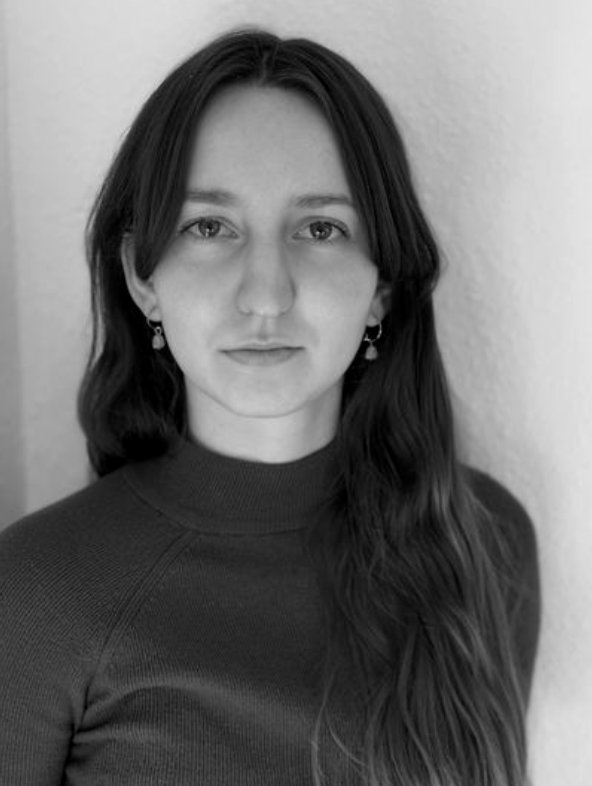
Lily Pepper
Former founder with experience in circular economy ventures and early-stage venture building. Has conducted research at the intersection of sustainability and organisational transformation. Holds an MSc in Sustainability Science and Business.
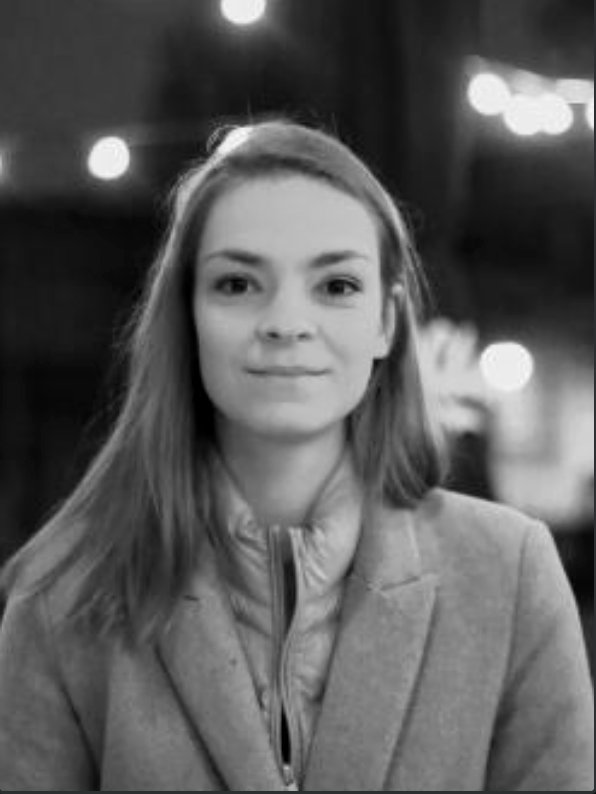
Charline Baker-Friesen
Track record of product leadership across 3 SaaS companies, on top of 7 years of clinical neuropsychology. Experience building and scaling products across 4 startups, spanning hands-on delivery, implementation, programme design, and applied research and development.
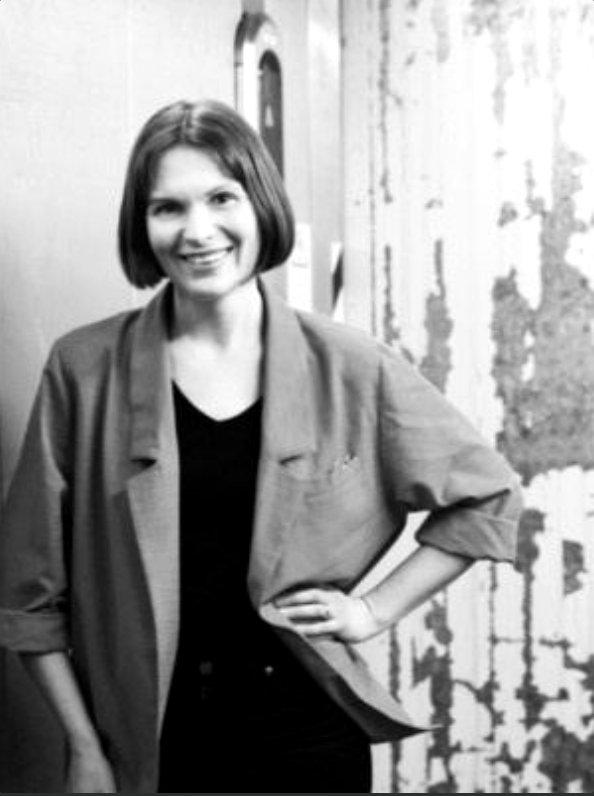
Liisa-Maija Malinen
Brings a decade of professional facilitation experience across industries and sectors, alongside seven years designing learning and development programmes. Creator of an ethical AI maturity model and an active advisor on ethical AI capability development within organisations.

PunPun Thongpradup
Translates complex ideas into accessible narratives for the right audiences. Leads brand communications and growth. Completing MSc Strategic Marketing and bringing a cross-cultural perspective, combining high-performance discipline with a deep interest in how people, systems, and decisions move under pressure.

Patricia Friman
Behavioural Research Intelligence & Sustainable Design Architect. Centring underrepresented voices in frameworks and methodologies.
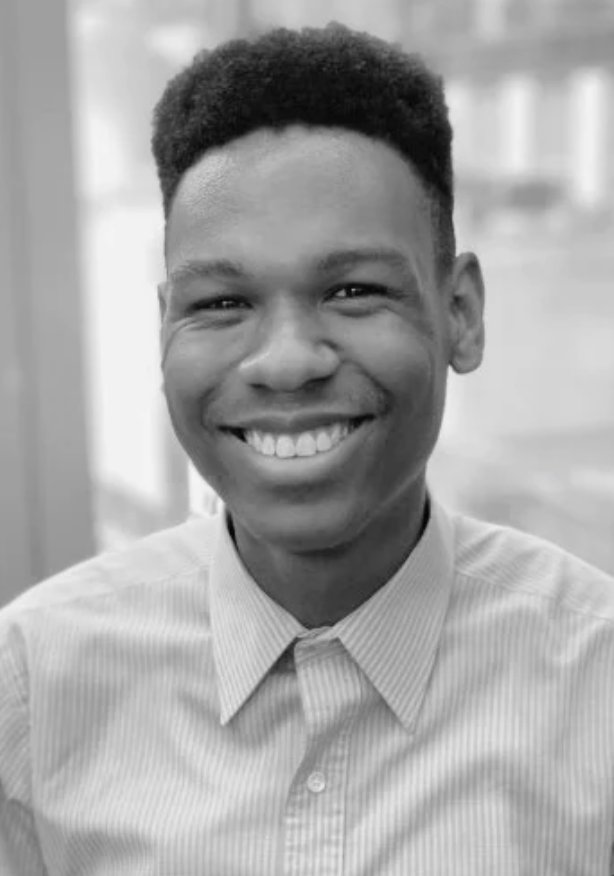
Peter Simpson
Author of the Sustainability Explainer Series. Contributing research across climate resilience, earth system dynamics and regenerative transformation.
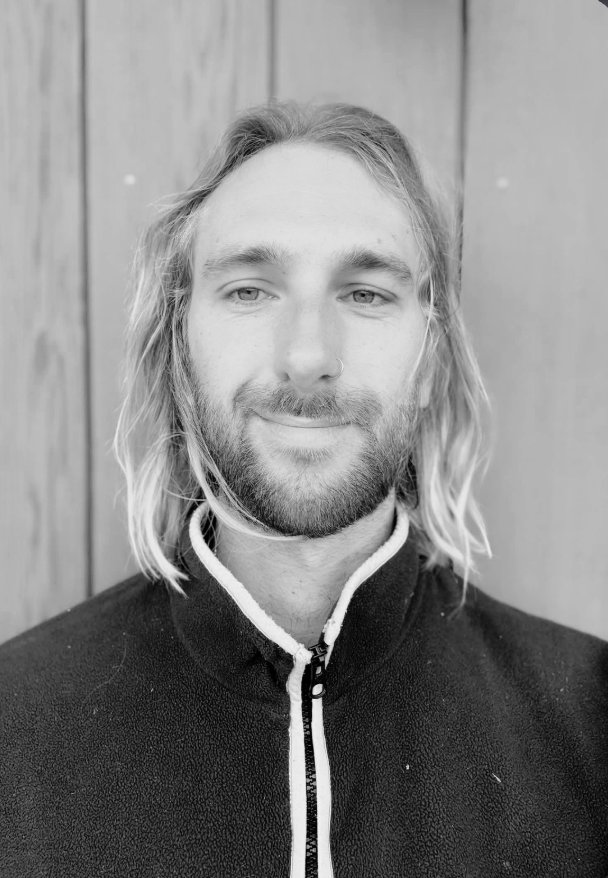
Valentin Covi
Systemic Justice Researcher. Supporting the organisation in questioning frameworks and centring contrasting and underrepresented perspectives.
We also write as the Ozymandias Intelligence Collective.
The king in the poem had no foresight, and it cost him everything. The collective is where we publish what we learn while building the opposite: research notes, field observations, and the occasional wrong turn, in the open.
At Norrsken House Amsterdam from September · hello@ozyntel.com
This is the team you would actually be working with.
Not an account manager. In a pilot you sit with the people on this page: the ones who built the method and who will be in the room when your model is wrong about something.